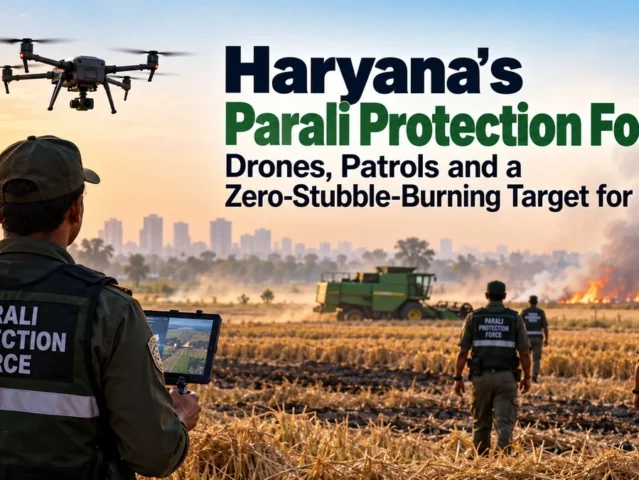



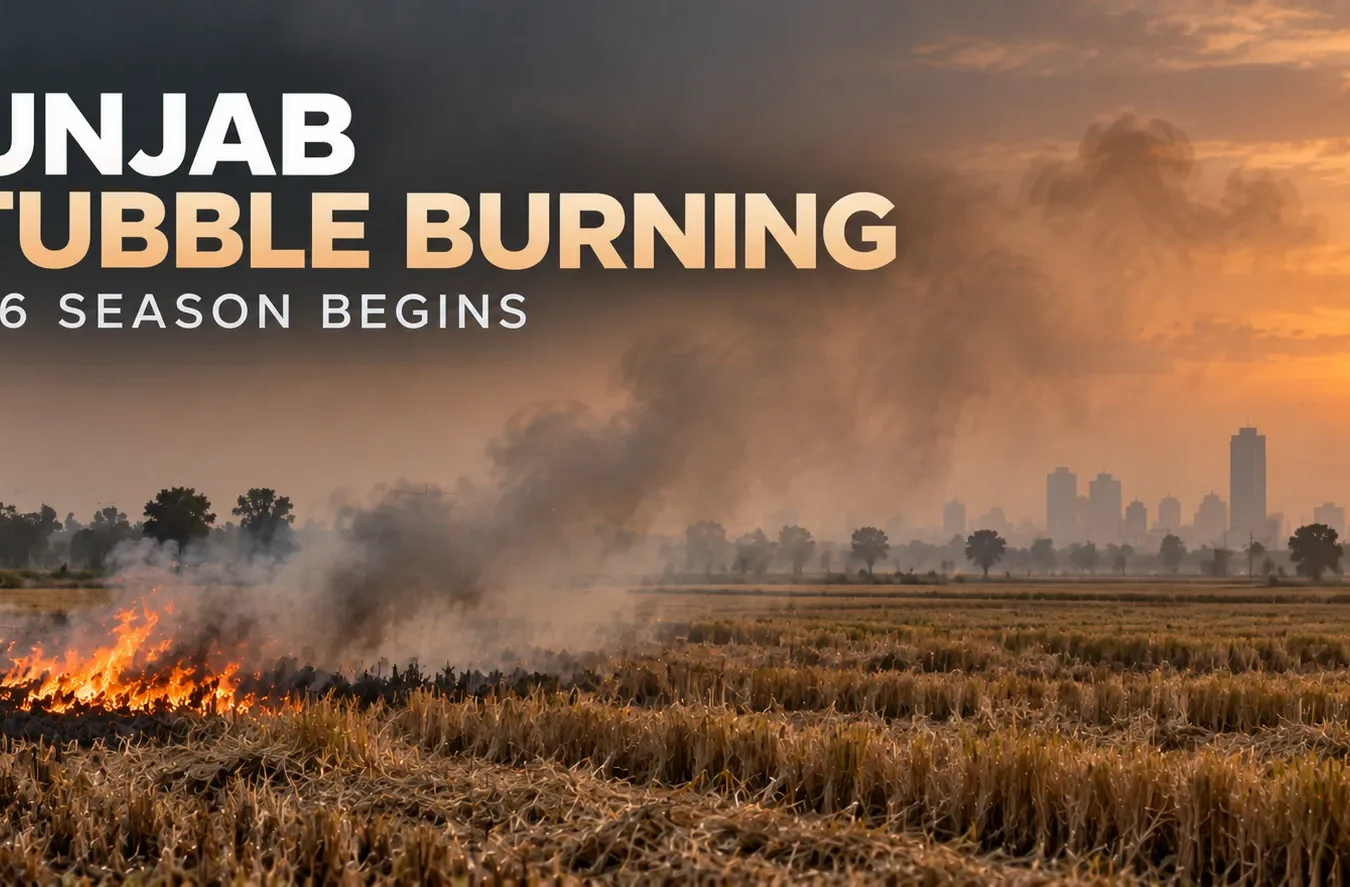
Punjab’s official farm-fire monitoring season opened on September 15, 2026, and the first fires are already on the board. Two blazes were reported on day one, both in Tarn Taran district, according to satellite tracking cited by The Tribune. It’s a small number, but it marks the start of a season that shapes the air over 500 million people in North India for the next ten weeks.
Why the Date September 15 Matters
Punjab and Haryana run farm-fire monitoring from September 15 through November 30 every year, timed to the paddy harvest. Farmers who grow rice need the field cleared fast to sow wheat, and burning leftover stubble is still the quickest, cheapest way to do that — even though it sends a thick plume of smoke and fine particles drifting toward Chandigarh, Delhi, and beyond.
Right now the numbers are low because most paddy hasn’t been cut yet. Agriculture officials expect harvesting to pick up in the last week of September, with the fire count climbing sharply through October as more fields are cleared at once.
Where Delhi’s Air Stands Today
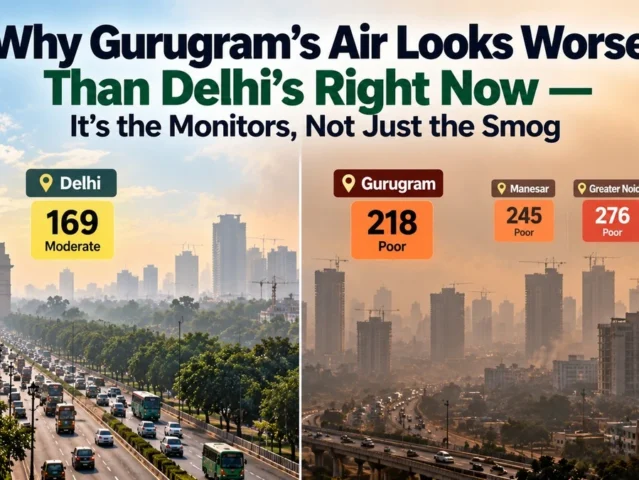
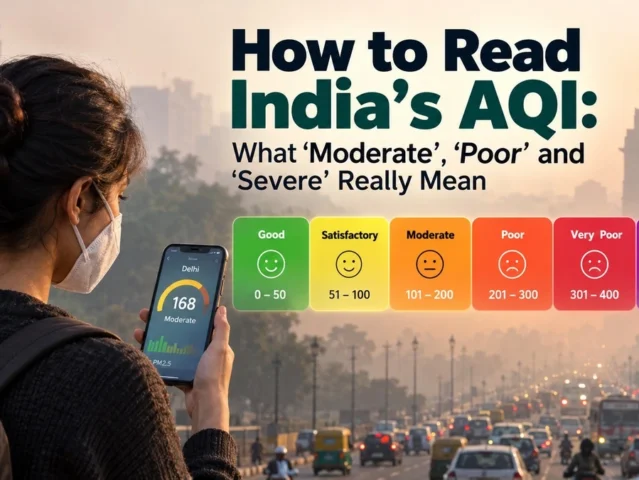
As of September 14, 2026, Delhi’s Air Quality Index read 79, in the “Satisfactory” band, per CPCB’s daily bulletin. A week earlier, on September 8, it was 108 — “Poor” — though still better than the same date in 2024 and 2022. That’s the calm before the seasonal shift: once stubble smoke starts stacking on top of Delhi’s existing vehicle and construction emissions, those numbers typically move fast.
The Commission for Air Quality Management runs the Graded Response Action Plan (GRAP) for the Delhi-NCR region, which kicks in escalating restrictions as air quality worsens — Stage I at “Poor,” Stage II at “Very Poor,” Stage III at “Severe,” and Stage IV at “Severe Plus.” None of the stricter stages are active yet, but they exist precisely for weeks like the ones coming up.
What’s Changed Since Past Seasons
Punjab’s farm-fire counts have trended down over the past several years. The state’s Pollution Control Board and Agriculture Department have leaned on subsidized residue-management machinery and awareness drives — including a campaign this year that brings doctors in to talk to farmers directly about the health cost of burning, run with the Lung Care Foundation. It hasn’t eliminated the practice, but early data from recent seasons has shown meaningful year-on-year drops in fire counts in both Punjab and Haryana.
What This Means for You
- If you’re in Punjab, Haryana, Chandigarh, or Delhi-NCR: expect air quality to hold steady through most of September, then worsen through October and into November as harvesting peaks.
- Track it directly: CPCB’s national AQI bulletin and CAQM’s GRAP status page update daily and are free to check.
- Plan around it: outdoor exercise and school activities are easiest to reschedule in the morning before smoke accumulates in the afternoon and evening.
Related reading: how North India’s winter air pollution builds up season over season, and what the different GRAP stages actually restrict.