


Last updated September 16, 2026.
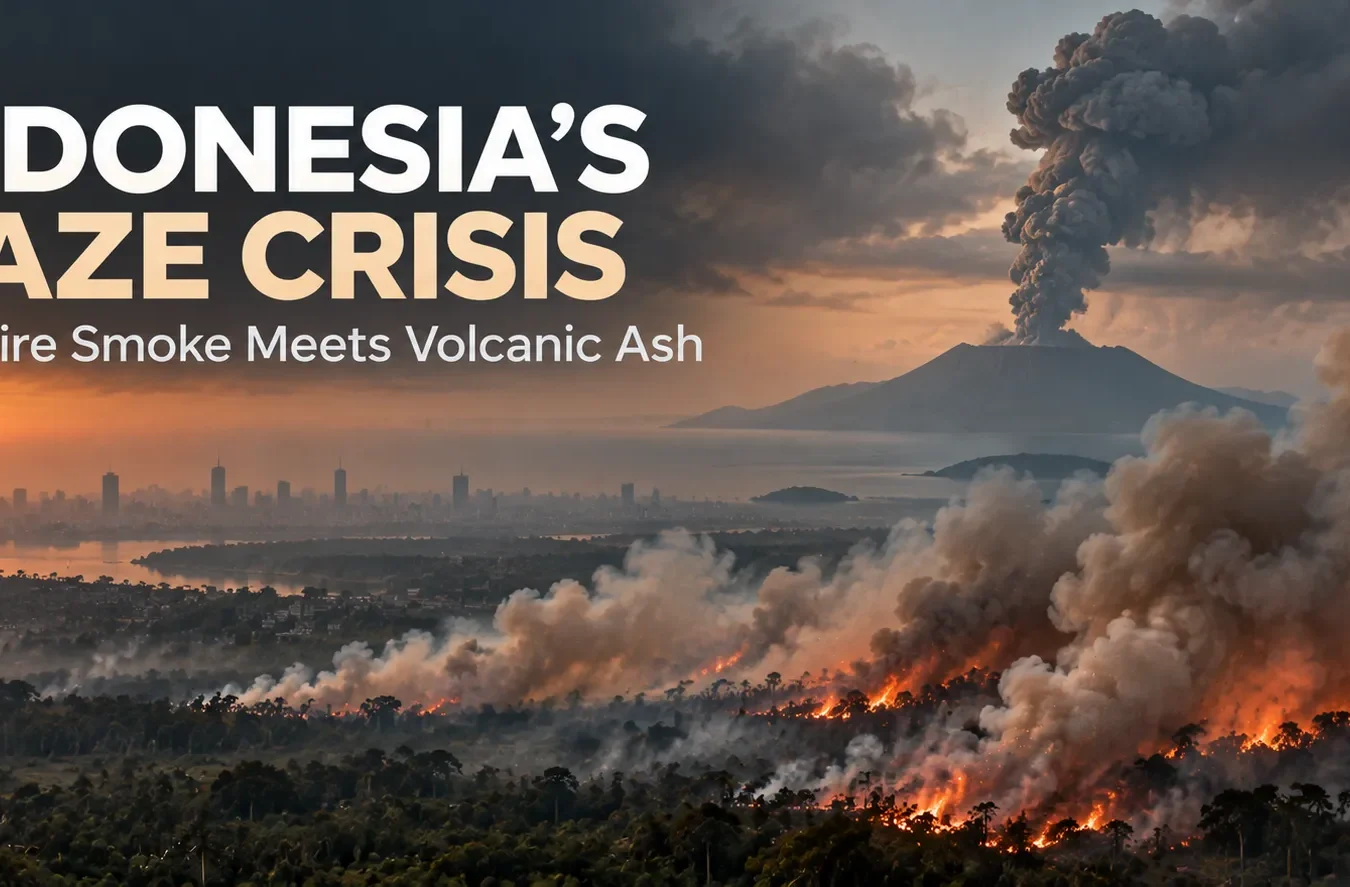
When we covered Southeast Asia’s haze crisis on September 13, Kuching’s AQI of 399 was enough to make it the world’s most polluted city for a stretch. Eleven days on, that number looks almost mild. Indonesia’s own pollution index hit 1,023 in Southeast Pontianak on September 2 — more than three times the country’s “Hazardous” threshold — and on September 4 and 6, Mount Anak Krakatau erupted, adding volcanic ash to a sky already thick with peatland smoke.
A volcano joins the fires
Anak Krakatau’s eruptions weren’t the cause of this haze season, but they’ve compounded it. Ash and smoke together pushed conditions rapidly downhill in early September: Singapore’s air quality index reached 108, Sarawak’s API surged to 521, and Manila — roughly 2,000 km from the nearest fires — was blanketed again.
Why the numbers look so extreme
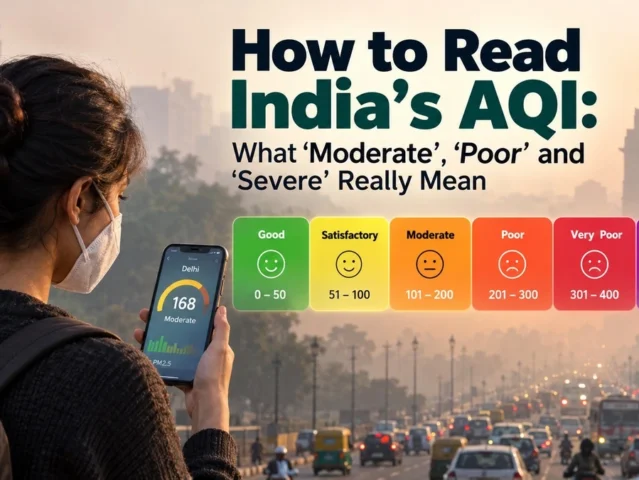
Indonesia measures air quality on its own scale, called ISPU (Indeks Standar Pencemar Udara), not the same one used in Malaysia or the US. Under Indonesia’s system, “Hazardous” starts at 300 and the scale keeps counting upward from there — which is why readings above 1,000 are possible on Indonesian monitors even though the more familiar US-style AQI caps out at 500. As of September 11, three Central Kalimantan regencies were all still deep in hazardous territory: East Kotawaringin at 750, Katingan at 629, and Gunung Mas at 394. (If you’re wondering why these numbers don’t match AQI readings you’ve seen elsewhere, that’s the same country-to-country scale issue we broke down in our AQI explainer.)
Chart: Indonesia’s ISPU readings for three Central Kalimantan regencies, September 11, 2026. Data source: Indonesia’s ISPU monitoring network, via Vision Times, September 11, 2026.
The human and economic cost
The toll has escalated sharply. Indonesia’s health ministry reported 50,891 illness cases tied to the haze as of September 1; by September 9, that had more than doubled to 113,336, with acute respiratory infections making up roughly one in five cases and 26,545 of them in children under five. August alone is associated with 1,700 deaths from the fires and pollution, according to reporting on official figures. From August 31 to September 4, six provinces — Riau, Jambi, South Sumatra, West Kalimantan, Central Kalimantan, and South Kalimantan — moved 1.43 million students across 12,874 schools onto remote learning, reassessed every three days; West Kalimantan’s patchy rural internet made that harder than it sounds. Total area burned nationally reached roughly 895,657 hectares from January through August, according to separate reporting — about 34% more than 2019, one of the worst fire years on record.
Fires are still active
This isn’t over. As of the night of September 15, Indonesia had recorded 1,437 active hotspots, with Central Kalimantan (689) and West Kalimantan (203) accounting for most of them. Thick haze disrupted flights on Borneo on September 14 and is also slowing firefighting aircraft, since low visibility grounds the very planes needed to fight the fires. On September 13, Malaysian Prime Minister Anwar Ibrahim raised the crisis directly with Indonesian President Prabowo Subianto — a sign this has become a diplomatic matter, not just an environmental one.
What this means for you
- If you’re in Kalimantan, Sumatra, Malaysia, Singapore, or the Philippines, check a real-time monitor before outdoor plans — conditions are shifting day to day and can spike quickly near active fires.
- Sensitive groups (children under five, pregnant people, anyone with asthma or heart/lung disease) should treat any “Unhealthy” reading as a cue to stay indoors, given how sharply illness rates have climbed.
- Traveling through Borneo? Confirm your flight status directly with the airline — haze-related disruptions have already grounded flights this month.
- Don’t compare Indonesia’s ISPU number directly to an AQI you see for another country — check the category label, not just the digit.
What to watch next
Whether the diplomatic conversation between Jakarta and Kuala Lumpur produces any coordinated action, whether hotspot counts keep climbing or start to fall as some rain returns, and whether the school-closure order gets extended again. None of that depends on the volcano calming down — Anak Krakatau’s ash cloud was a shock on top of a fire season that was already Indonesia’s worst since at least 2019.
Related reading
- Southeast Asia’s 2026 haze crisis (our earlier coverage)
- Why AQI numbers differ by country
Sources
- Vision Times. (2026, September 15). Volcano and Wildfires in Indonesia Shroud Southeast Asia as Air Quality Falls to Hazardous Levels.
- Tech Times. (2026, September 3). Indonesia Pollution Index Hits 1,023: Worst Kalimantan Haze Sends Millions of Students Online.
- The Star (Malaysia). (2026, September 15). Indonesia records 1,437 hotspots as transboundary haze persists.
- The Star (Malaysia) / Washington Times (AP). (2026, September 14). Thick haze disrupts flights on Indonesia’s Borneo island.
- IQAir. (2026, September 1). Transboundary Air Quality Alert: Southeast Asia.
This post was researched and fact-checked against the sources listed above, including direct wire and outlet reporting from September 2-15, 2026. It’s reviewed by our editorial team before publishing, and we’ll update it as fire, health, and diplomatic developments continue.