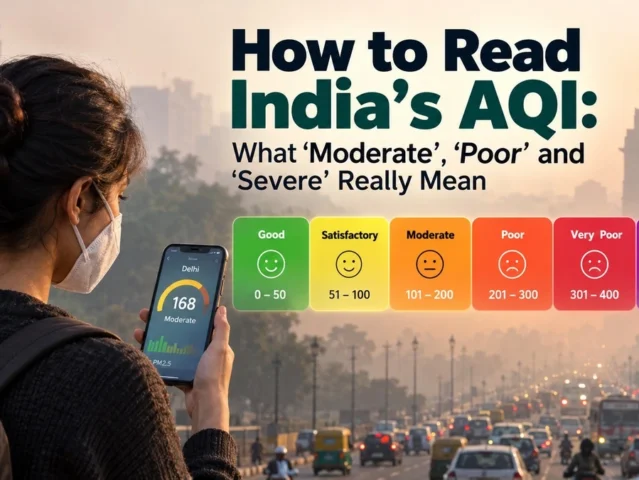



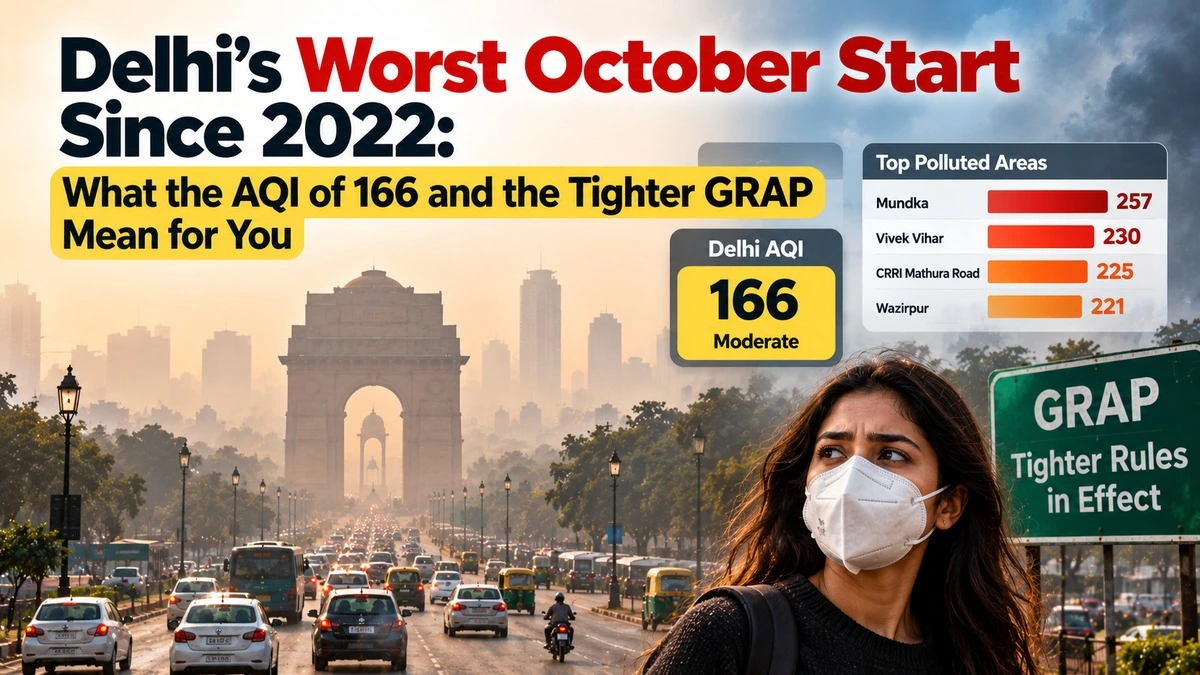
Delhi didn’t wait for November this year. On October 1, the city’s average AQI settled at 166, which the Central Pollution Control Board (CPCB) rates ‘moderate’. It’s the highest reading for that date since 2022, when it was 186. Days later, on October 4, the season’s worst reading so far hit 187.
By Dr. Ananya Sharma, Ph.D. Environmental Science (Air Pollution & Urban Air Quality). Last updated: 5 October 2026. This article was researched and fact-checked against the primary sources listed below and reviewed by our editorial team.
What the numbers show
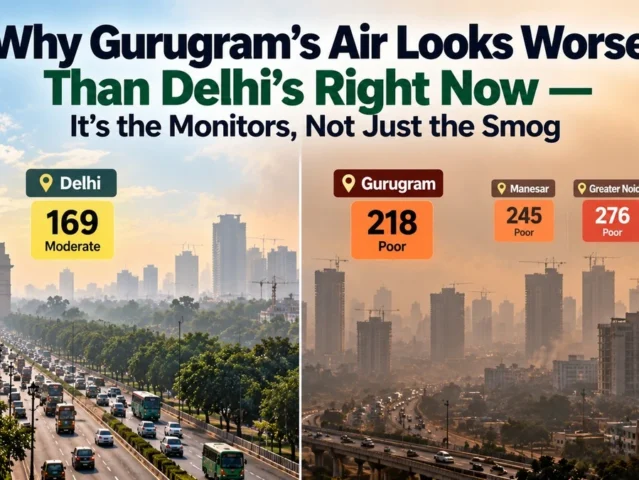
Of Delhi’s 44 monitoring stations on October 1, 37 reported ‘moderate’ air, five reported ‘poor’ and two reported ‘satisfactory’. By early October, hotspots were clearly worse than the city average: Mundka read 257, Vivek Vihar 230, CRRI Mathura Road 225 and Wazirpur 221.
Delhi’s January-to-September 2026 average AQI was also reported at 167.6, up from 164.3 in the same period of 2025. That’s a small rise, but it shows the baseline isn’t improving.
Why now?
Two things are working against Delhi. First, the monsoon left early, so the rain that normally scrubs the air is gone. Second, the weather has turned calm. The Early Warning System flagged that the ventilation index was below 6,000 square metres per second and winds were under 10 km/h, both of which make it hard for pollution to disperse. Think of it as a room with the windows shut and the fan off.
Stubble burning isn’t the main driver yet. Between 15 September and 1 October, 137 farm fires were recorded across the region, with only four in Punjab on October 1. That number usually climbs sharply in mid-October, so local sources like dust, traffic and industry are doing most of the damage right now.
What changed in this year’s GRAP
The Commission for Air Quality Management (CAQM) revised its Graded Response Action Plan (GRAP) on September 28. The headline changes:
- Rules on diesel generator sets and older inter-city buses moved from Stage II to Stage I, so they apply earlier.
- Stage III limits on BS-III petrol and BS-IV diesel vehicles now extend to Sonipat and border areas of Ghaziabad, Faridabad and Gautam Buddha Nagar.
- Construction registration and monitoring now cover sites beyond municipal limits, for projects of 500 square metres or more.
- The citizen charter grew from 22 to 34 actionable points.
CAQM member SD Attri said certain repeated measures were merged and shifted from Stage II to Stage I, mainly in construction and transport.
What this means for you
- Check your local number, not just the city average. A ‘moderate’ city reading can hide ‘poor’ air a few kilometres away.
- Move strenuous exercise to the afternoon when winds are slightly stronger, and avoid early mornings when pollution sits close to the ground.
- If you have asthma, heart disease or young children at home, start your precautions now rather than waiting for ‘very poor’ days.
- Don’t run a diesel generator unless you must; it’s now a Stage I issue.
A chart worth building
A simple line chart of Delhi’s average AQI on October 1 for 2022 through 2026 would show how this year compares. A second bar chart of the station readings above would show how uneven the city’s air really is.
The bottom line
A reading of 166 isn’t an emergency, but it’s an early warning. With farm fires still ahead and calm weather in the forecast, the next few weeks will test whether the tighter GRAP rules make a visible difference.
Related reading
- How to read India’s AQI categories
- Why the monsoon’s early exit matters for Delhi’s air
- Delhi-NCR’s new industrial dust limit